The plumbing industry is a cornerstone of modern civilization, providing the essential infrastructure for clean water and sanitation. For those looking for a career that offers stability, physical activity, and the opportunity to help people in their community, becoming a plumbing professional is a rewarding path. Transitioning from an entry-level worker to a successful local plumbing contractor requires a blend of technical mastery, legal compliance, and business acumen.
Educational Foundations and Early Training
The journey begins with a solid educational background. While a high school diploma or GED is the minimum requirement, focusing on subjects like mathematics, physics, and computer-aided design can provide a significant advantage.
Plumbing involves precise measurements and an understanding of water pressure and flow dynamics, making math and science skills indispensable.
Many aspiring plumbers choose to attend a vocational or technical school. These programs offer classroom instruction on pipe system design, safety protocols, and local plumbing codes. This formal education often shortens the time required for subsequent apprenticeships, as students enter the field with a foundational understanding of the tools and terminology used in the trade.
Navigating the Apprenticeship Phase
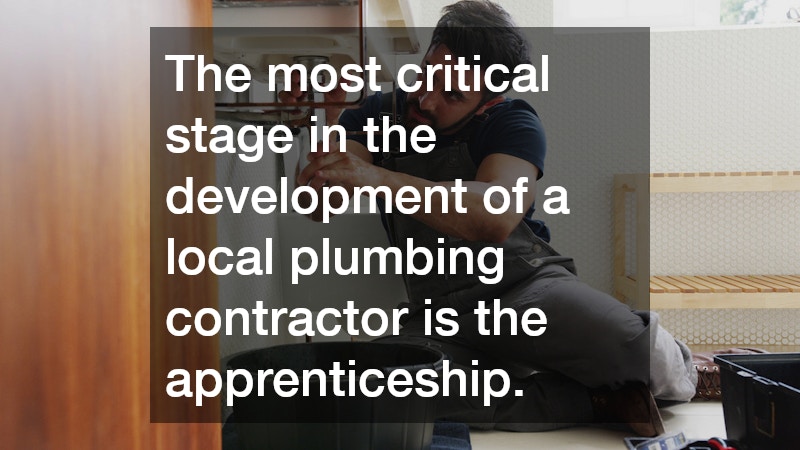
The most critical stage in the development of a local plumbing contractor is the apprenticeship. This period typically lasts four to five years and combines paid on-the-job training with classroom learning. Under the supervision of experienced journeymen or masters, apprentices learn how to install fixtures, repair leaks, and navigate complex blueprints.
During an apprenticeship, you aren’t just learning how to glue pipes together; you are learning the “why” behind the regulations. You will become intimately familiar with the Uniform Plumbing Code (UPC) or the International Plumbing Code (IPC), depending on your region. This hands-on experience is where you build the muscle memory and problem-solving skills that will eventually define your reputation as a reliable local plumbing contractor.
Achieving Journeyman Status
Once the required hours of experience and classroom instruction are completed, the next step is to obtain a journeyman license. This process involves passing a comprehensive exam administered by a state or local licensing board. The exam tests your knowledge of plumbing codes, safety regulations, and technical applications.
As a journeyman, you gain more independence. You can work without direct supervision on residential and commercial projects. This phase is crucial for honing your specialty. Some plumbers choose to focus on new construction, while others prefer service and repair. Developing a niche during your journeyman years will help you define your brand later when you decide to launch your own business.
Transitioning to a Licensed Contractor
To move from being an employee to an employer, you must obtain a contractor’s license. This is a distinct step beyond the journeyman or master plumber license. While a master plumber license proves your technical expertise, a contractor’s license focuses on your ability to run a business.
Most jurisdictions require applicants to pass a business and law exam. This test covers topics such as construction lien laws, tax regulations, workers’ compensation, and contract management. Additionally, you will need to demonstrate financial stability and provide proof of general liability insurance and bonding. These safeguards protect both you and your clients, ensuring that you operate as a legitimate and professional local plumbing contractor.
Setting Up Your Business Infrastructure
With your licenses in hand, the focus shifts to business operations. You must choose a legal structure for your company, such as an LLC or a Corporation, and register your business name with the state. Branding is vital at this stage; your company name and logo should reflect reliability and professionalism.
Investing in the right equipment is a high upfront cost but essential for success. This includes a reliable service vehicle, specialized tools like drain cameras and hydro-jetters, and professional-grade software for invoicing and scheduling. In the modern era, a contractor is only as good as their organization, and digital tools help ensure that no customer call goes unanswered.
Mastering Local Marketing and Networking
Success in the trades is often built on reputation and visibility. To thrive, you must establish a strong local presence. This starts with a professional website and a verified Google Business Profile. Encouraging satisfied customers to leave positive reviews is one of the most effective ways to build trust with potential clients in your area.
Networking within your community is equally important. Building relationships with local real estate agents, general contractors, and hardware store owners can lead to a steady stream of referrals. Joining local trade associations or the Chamber of Commerce can also provide networking opportunities and keep you informed about local developments and municipal projects.
As your business grows, you may eventually transition from being the primary technician to a manager of a fleet. This requires learning how to hire, train, and retain skilled employees. By fostering a culture of excellence and safety, you can scale your business and cement your legacy as a premier service provider in your region. Becoming a plumbing professional is a marathon, not a sprint, but for those with the dedication to master the craft, the rewards are immense.